
“I’m writing s memoir” sounds so grand. It makes me squirm. I’m not Winston Churchill nor Jacinda Ardern. Perhaps I should use ” Life story” instead? I’ve reported before on the perils of undertaking such an epic task. It’s 3 years now that I’ve thrashed around in the dark ocean of memory, misadventure and nostalgia. But I have reached a milestone and every scratchy success needs daylight and applause.
The book is 90% in first draft. The introduction is in 90% final draft.
That means most of the book is drafted and I’m quietly happy with the introduction. 120,000 words so far. 4-6 hours a day, 5 days a week of writing and I’m finally, mostly loving it. So my friends I decided to celebrate this moment, this nano-second in the life of this project, with you. Raise a glass please to 90% There! To really live dangerously I’ve printed the introduction to my book below so that I can share these pages with you. Feedback always welcome. Read on brave soul!
Introduction
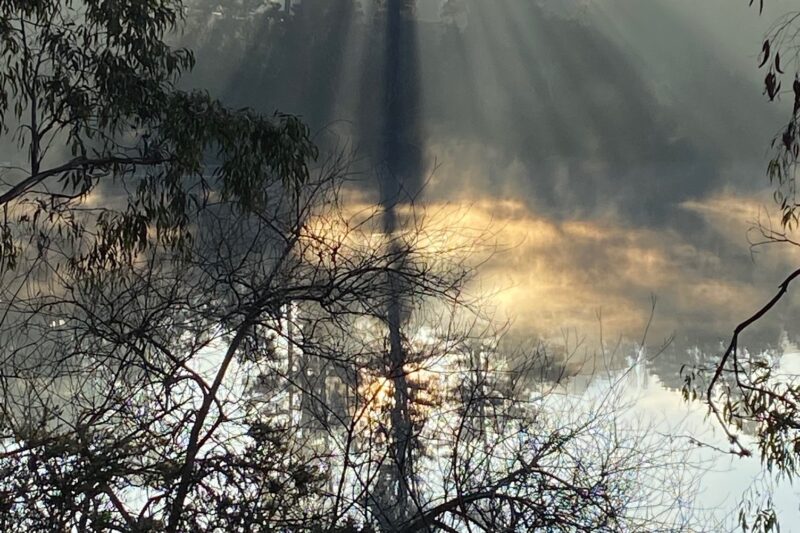
I’m listening to the wind battering the windows and whining in the gaps and crevices of Cape House, here on the Bass Coast. It’s winter and a steely sky fuses with a dark ocean, a restless monochrome of grey. I love the solitude here and at 77 years old, I welcome it like the old friend I once knew and then lost, for most of my life.
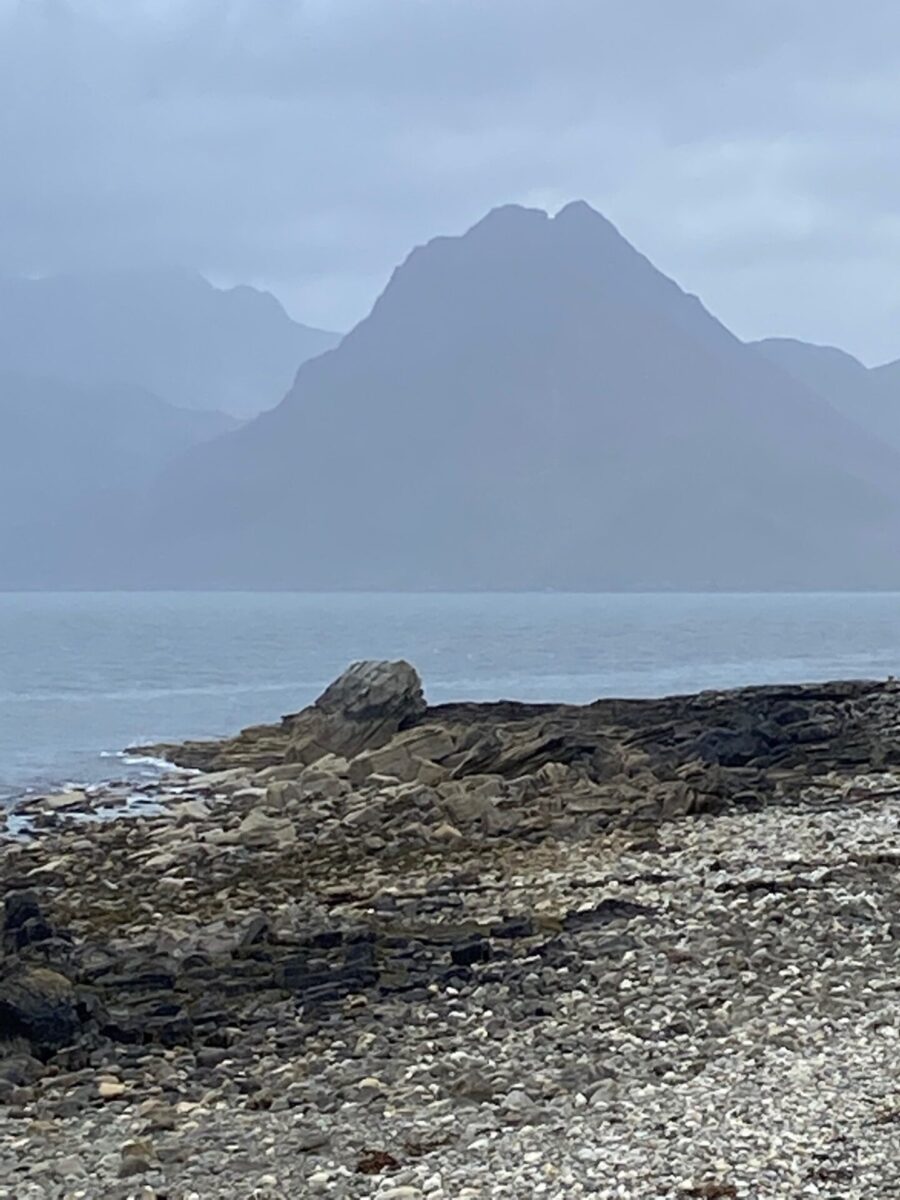
In recent years, I’ve spent many months in Scotland, and the Highlands seeped into my pores and I felt at home, in a land I had never known before. Scotland is a language of rugged, mystical mountains, treeless, sweeping moors and black lochs. In these settings, on my daily walks, I was washed with sea spray and pummelled by whistling gales. Yet I found a stillness in this untamed land, and I wanted to cling to the evocative sounds of wind and rain. Sadly, I had to return to Australia but now having listened to the language of the Highlands, I began a search for this wild heart in another land that I call home.
Cape Schanck found me. In 2024, with city life leaching my energy and my sanity, I dreamed of a quiet place, with vast ocean views, wild coastline and a garden of lemon and olive trees. Like so many times in my life, I was planning another escape route. A few months later and I nestled into this little home, sleeping to the sound of crashing waves. Bob, the blue-tongue lizard, echidnas and a mob of kangaroos are my neighbours as surrounding homes are largely vacant second homes for the wealthy golfers who visit when the sun shines. It is here, with lungs full of fresh sea air and a calm spirit that I returned to writing this book, begun so many years ago.
My flirtation with words began when I was a child. I first started writing at the age Lil, my granddaughter, is now. At seven years old, a story about my cousin’s wedding was published in School Friend magazine. I received a cheque for five shillings which more than doubled my bank account at the time. Ours was a house of few books, they were expensive, but a blue library bus visited our village every two weeks. It delivered stories of lively characters, ancient lands and battles of good and evil, and I soaked in the emotional bathwater of words. I was hooked.
As a teacher I wrote funny little plays that my year 9 drama class could perform. From the viewing platform of my 20’s I thought they were clever, hilarious and right on target, brushing aside the groans of my pimply, mono-syllabic, adolescent students. In my various careers, as an academic and life- time student, I wrote theses and treatise and reports rarely read.
As an activist, I wrote obscure, angry articles that found a home in the hard – to – fill pages of left – wing rags; union magazines, feminist newsletters and education magazines. I kept diaries and journals, pages groaning with relationship angst, self-doubt and unchecked narcissism. Before the computer age I wrote letters to friends and family. My speciality was Love Letters. I was no poet, more a whining, love demented young woman howling at the moon. My dying wish is that none of those letters still exist in the archives of my various lovers. I have kept a few of the letters I received from these equally disoriented men, and their responses are truly horrifying.
It was not until my 70th birthday that I dared to send my words into the stratosphere of blogging and social media. Retirement boredom, coupled with an addictive interest in fine dining and good wines were not a path to a long and healthy older age. I started writing about this third phase of life, passionate that learning, growing and finding purpose was the key to a good older age. The website https://viva70.com was born. Six years and three hundred articles later, the blog has also largely retired while my Instagram account is mainly filled with endless photographs of beaches and sunsets. I still have bursts of inspiration, and an article will hit my website only to explode in anonymity somewhere on the web. That’s Ok. I’m not chasing subscribers anymore. It’s a hobby.
Attempting to write a memoir is a completely different beast. Although my audience is small and restricted to those family members closest to me, the task of raking through a life of poor choices and occasional wisdom is intimate and mostly terrifying. You stand naked in the truth of your story. I stand naked in the truth of my story. The “I” is the exposure that requires a solid self – esteem and a rattling, consistent self – talk that says, “This is a story worth telling.” It drowns out the voices that in moments of darkness shout, “What makes you think you can write?” “Why are you so special?” And worse still “What will your son think about this?” It takes many months of grinding inactivity, long beach walks and procrastination before I return to the writing desk, only to hear those harsh voices and again I bolt for the hills.
In my strongest moments I know there is a story worth telling. It is my story. To understand this story, I need to make sense of the lives of the people who shaped me. I learned very early in the writing process that I could not write a complete family history, all I could do was try to craft the narrative of my life. I have cobbled together the stories of my parents from existing documents, interviews and the stories told by remaining relatives. The story of my grandparents exists like cobwebs, whispers and faded memories.
We each mould our life stories from what we chose to select and interpret from the vast ocean of fact, experience, self – concept and an element of delusion. I can only write my story and leave others to write theirs. That is the perimeter fence for this book. The outer reaches of my task.
A question I have returned to frequently is WHY am I writing this book? The answers are many. I have always been interested in why people behave the way they do and the influences that shape us. In my parents and grandparents’ generation the stories are of tragedy, survival, lost dreams and yet moments of joy seep through the worst of human experience. In my life, generational trauma and ill health are cushioned by access to education, peacetime stability and a life which has been rich with experience. I write this book because there are such varied, funny stories to tell and pictures to paint of life in Italy, France, England and Australia. There are also stories of immense darkness that may explain some of the choices I have made in shaping my life and that reverberate in the life of my family. I also write because it’s a challenge. I dare myself to stay true to the facts and not embellish or shy away from the retelling, looking over my shoulder at the critics, hearing the whispers of judgment and dissent. It takes bravery to climb this mountain but in my late 70’s time is running out, and this book needs to be written.
Finally, I write this book because I am interested in exploring the idea of home. Where do we belong? Where do we find peace? Where are we safe? It’s a theme generations of my family have grappled with. Home can be a village, house, place but it can also have a much deeper root to a sense of belonging, identity and a visceral feeling at the core of our being. Many cultures recognise this intense identification with a place we call home. The Gaelic term Dachaigh was explained to me in Scotland as the ground where you belong, that sits in your heart for the rest of your life. There’s a yearning to return which is an existential need that can migrate across generations. This yearning for home is the thread embroidered into our family history for at least three generations. I return to this theme time and again. Finding Home is finding oneself in many places and importantly, also as a mindset.
I envisaged this book as a series of stories, moments of life, some funny, some sad, rich with characters and the smell and texture of different places. A memoir is the container that holds such stories in place. I didn’t want to write a chronology of events, people and places that stand empty, like a list of hollow characters, replaced by another generation of names and dates. Unfortunately, the first two chapters of this book – my mum’s story and my dad’s story have elements of this bare, factual history. In these two chapters, I have cobbled together from documents, interviews and research, the narrative of my parent’s lives. I did not know my grandparents and there are few relatives in my life, so those chapters stand alone, at odds with the rest of the book; slightly hollowed-out figures frozen in time.
This book is dedicated to my son, Matthew.
Your existence in my life has given me the opportunity to know the depths of a mother’s love and I am so proud of the man you have become. I’m hoping that in understanding lives very different from your own, you can continue to fearlessly steer your own path, knowing something of those who came before you. Matts, you are a masterful storyteller, and, in your hands, I know that some of these stories will be reborn for future generations.